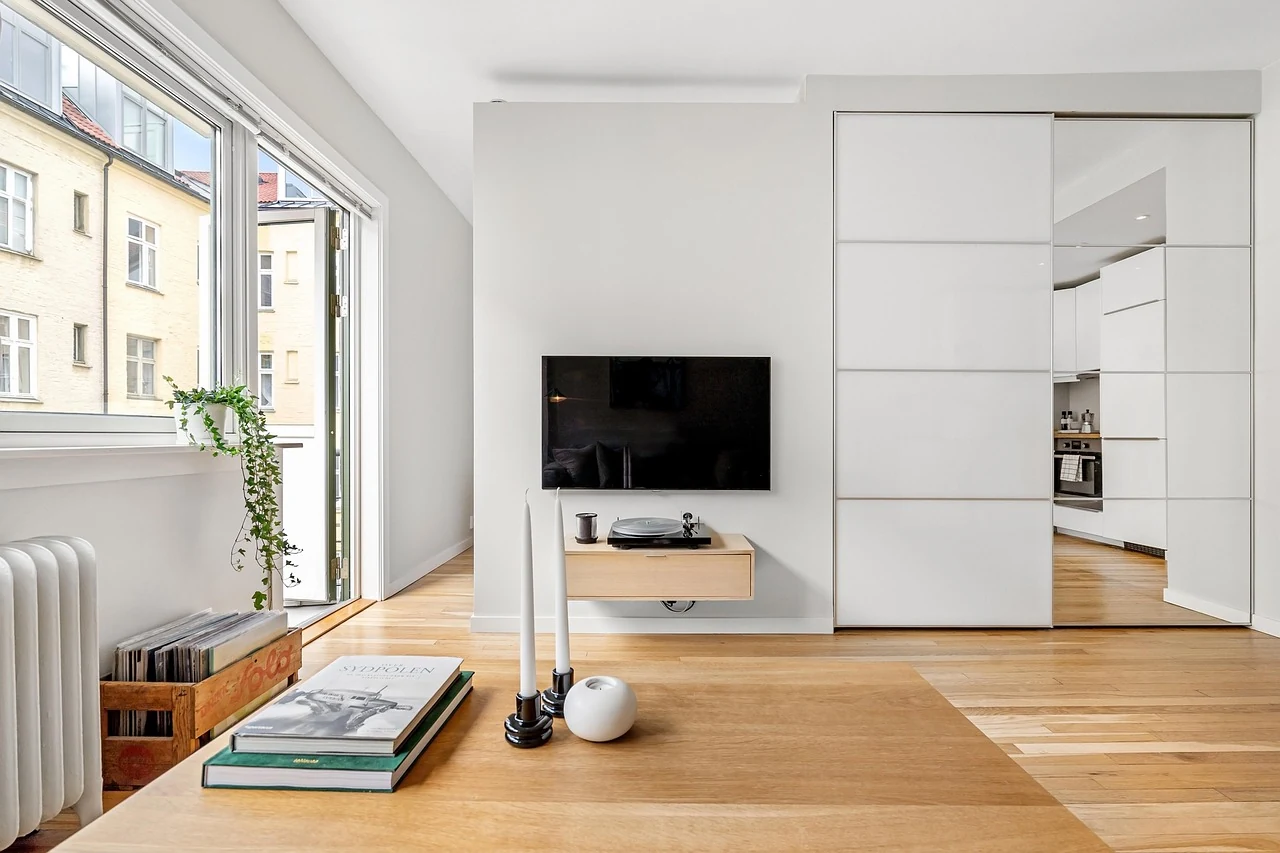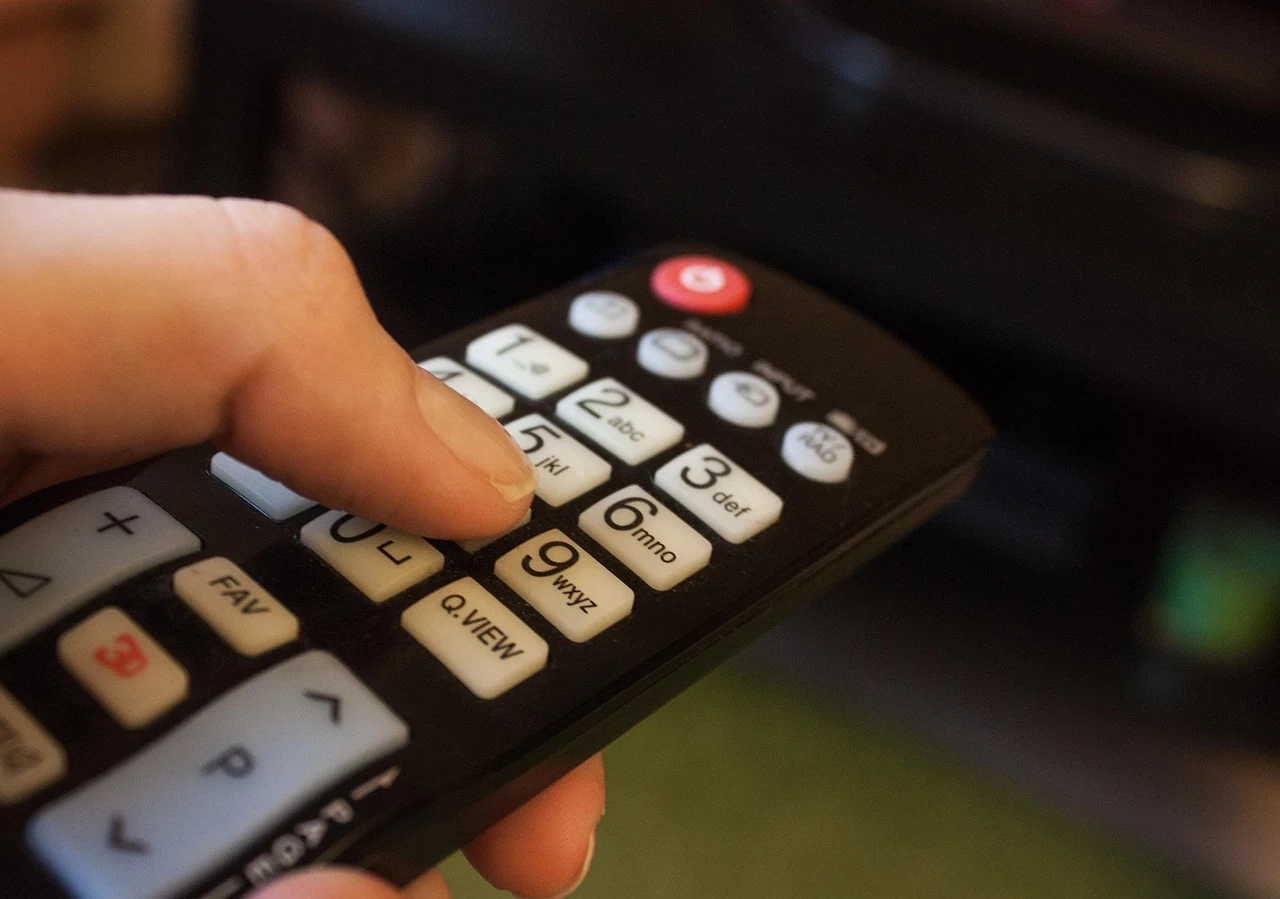
What matters to you?
Films after dark, a familiar programme or an existing console. Begin with the things you actually enjoy and the people sharing them.
Make the choice meaningfulThe television, in context.
A good choice begins beyond the specification sheet. Consider the room, the way you watch and the details that belong to the exact screen.
Begin with the complete guide Make a viewing plan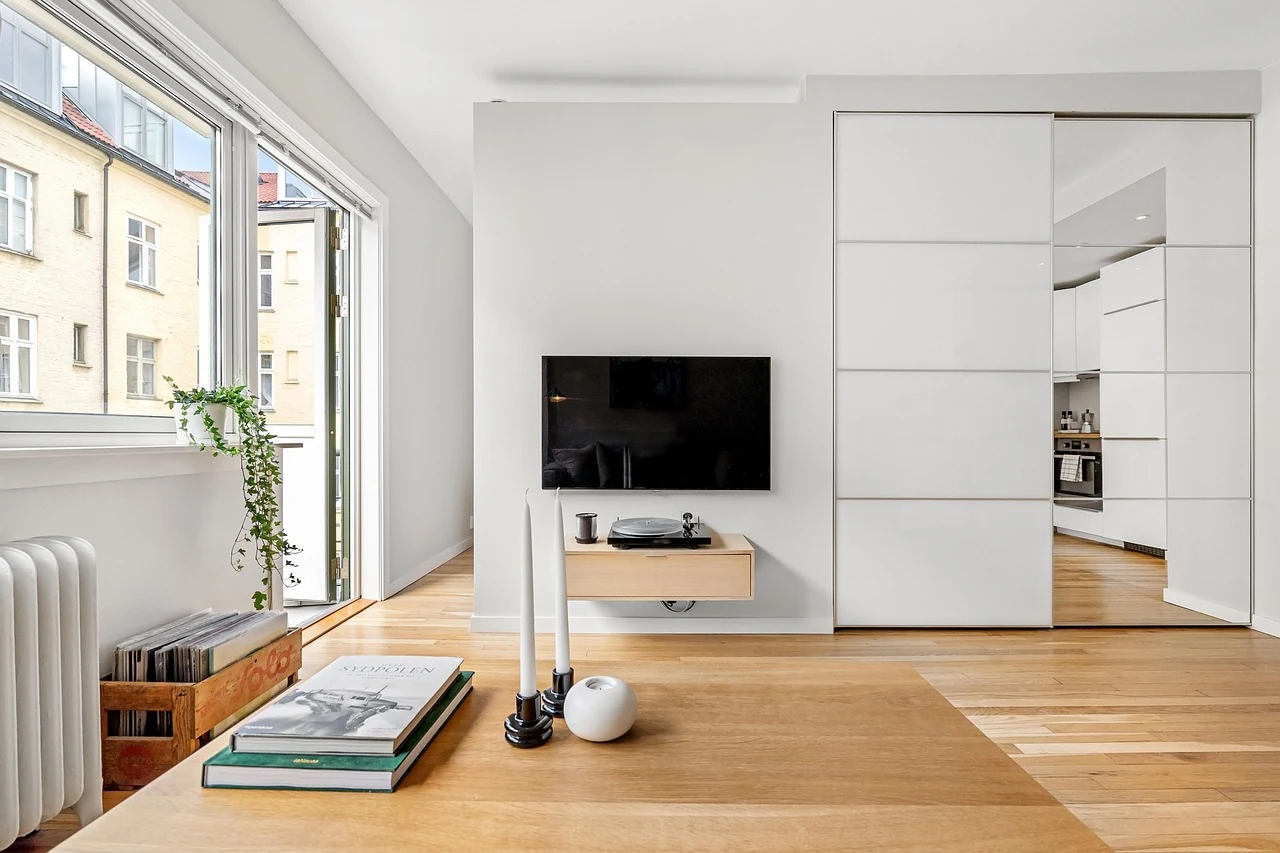
Room / Screen / Sound / Everyday use
Begin with the ordinary evening
The useful starting point is the life around the television. Give the viewing, the place and the connected equipment a role in the choice.
Films after dark, a familiar programme or an existing console. Begin with the things you actually enjoy and the people sharing them.
Make the choice meaningfulKeep the seats, the light and the labelled measurements together. Then read the dimensions for the exact screen and support.
Consider the roomName the devices you want to keep, the role of each connection and the information that belongs to the actual equipment.
Follow the complete plan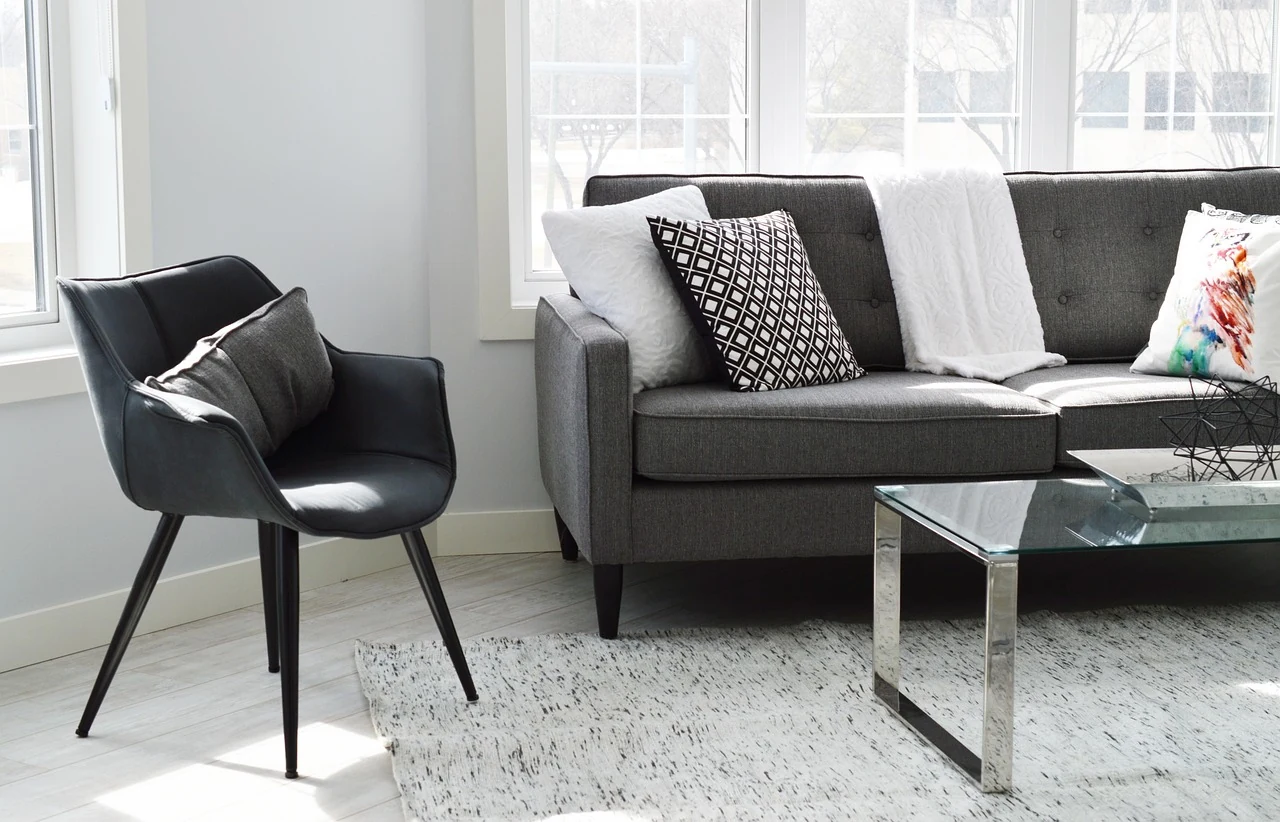
The room is part of the picture
A window beside the sofa. A lamp used in the evening. The place someone chooses when the room is full. These details belong beside the product sheet.
Keep a simple sketch and a few observations. They turn a general feature question into a useful conversation about your own space.
Read the room guideA useful pause
Small distinctions make the information easier to use.
Keep your viewing notesKeep the diagonal, outside dimensions and support arrangement separate. Read the drawing for the exact model and size. Give each measurement its own label.
Start with the complete model of each device and the role you want it to serve. Keep supported features and connection guidance together. Make the device list useful.
Match the complete model and region, then keep the safety, installation and operating references together. Find the appropriate reference.
The reading collection
Picture & choice
Bring the room, the exact model and the way you watch into one useful television plan.
Read the guideRoom & screen
Separate diagonal size, outer dimensions, support and the way the room is used.
Read the guideSound & connections
Bring the actual devices, port labels and intended listening arrangement into one record.
Read the guideModel & manuals
Use the complete model and regional support resource to build a small, useful ownership file.
Read the guide