
Room & screen / 4 min read
Measure the room around the screen.
Separate diagonal size, outer dimensions, support and the way the room is used.
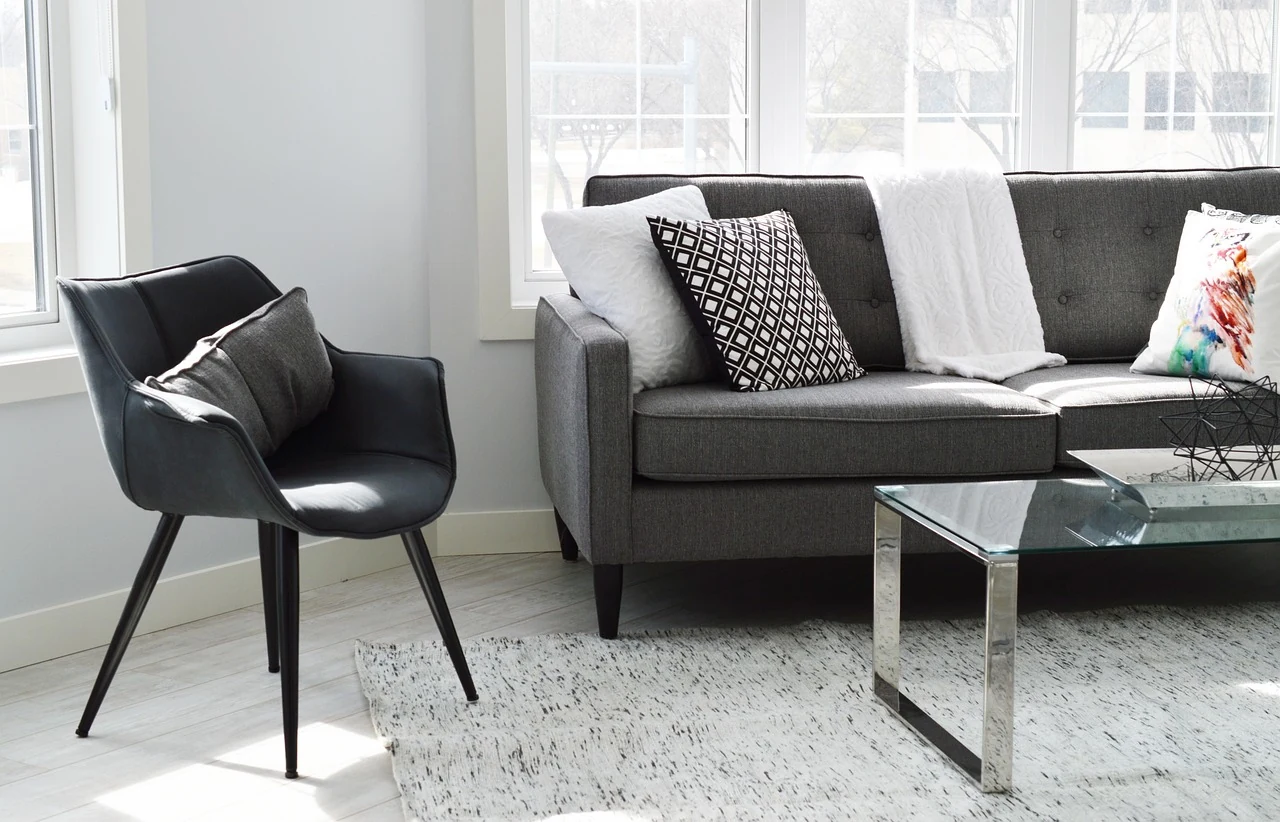
Begin with the place you intend to use and a labelled sketch. Include the furniture, nearby openings and the seats from which people normally watch. You are building a record of the room, not choosing a screen size from a single number. Keep a separate space for the exact television dimensions so you can compare the two without confusing one measurement with another.
Distinguish the diagonal from the whole television
The screen-size label is only one part of the physical description. Samsung’s archived Q6DR specification sheet gives separate headings for screen diagonal, dimensions with and without the stand, shipping dimensions and stand footprint. Use those distinctions as a reading example. Find the equivalent current drawing for the exact model and size you are considering, and retain the units beside each figure.
Make one row for the complete television and another for its intended support. Record which drawing each measurement came from. This is especially helpful when a product family includes several screen sizes or stand arrangements. If a diagram is unclear, ask the maker to explain the relevant dimension instead of interpreting a photograph as a scaled drawing.
Describe the furniture and nearby uses
Measure the available area and note the shape of the furniture. Include anything that shares the surface or needs access nearby. A room photograph can help communicate the setting, but keep the measurements and their labels alongside it. Give an installer or responsible provider the exact product information when they need to assess the support and the proposed arrangement.
Look at doors, drawers and the routes people use through the room. Keep those ordinary activities visible in the sketch. An arrangement may look balanced from one position while making a familiar task awkward. Record the issue as a practical question before deciding whether to change furniture, choose another position or reconsider the screen candidate.
Observe the seats and the light
Sit in the places that are actually used and look toward the proposed screen area. Repeat the observation at an ordinary daytime and evening viewing time. Note nearby windows, lamps and reflective surfaces, along with any position that feels awkward to you. These observations describe your room and preferences; they do not need to become a universal distance or angle rule.
If a demonstration is available, bring those observations with you. Ask which model and size are shown and what source or settings are in use. Use the opportunity to explore the questions that matter to your household. Keep the demonstration context with your notes so that an impression from a showroom does not become an assumed measurement of your own room.
Leave installation questions with the exact instructions
The Samsung user-manual example contains safety and installation information as well as references to the operating e-Manual. Obtain the corresponding complete documents for your candidate. Discuss wall mounting, unfamiliar supports or work around existing services with an appropriately qualified installer. Keep the room sketch as a useful input to that assessment rather than treating it as an installation specification.
Ask the responsible provider what information they need, what their assessment covers and how ordinary access will work once the television is in place. Keep the answers with the exact model. A small change of screen, support or location can make an earlier answer less relevant, so make each change visible instead of carrying the original assumptions forward silently.
Keep a record that can travel with the decision
Give each candidate a short page containing its complete model, the relevant drawing and the intended location. Mark confirmed measurements separately from estimates or open questions. Keep the household’s preferences beside them. A readable note helps the people making the decision see whether the uncertainty concerns the product, the room or the scope of the proposed installation.
Include a separate delivery question when access to the room may matter. Describe the route and any known building arrangements to the responsible provider, then ask what they need to confirm. Keep package dimensions separate from the television’s assembled dimensions. This gives the delivery conversation a clear basis without assuming that a product fitting the intended furniture also settles its route into the home.
Return to the complete television-choice guide before settling the arrangement. The room is one part of the plan alongside the connected devices, ordinary viewing and ownership information. Use Viewing notes to keep the documents together, so the final choice still makes sense when you come back to it after the comparison is finished.